
A Better Way to Serve Your DAF Holders: How GOfund Makes Grant Recommendations Simple
DAF holders now account for nearly 25% of all charitable giving in the United States. Are yours able to recommend grants, check their balance, and stay connected to your foundation without picking up the phone? Here’s how GOfund makes that possible.
Why Fund Fee Management Is Challenging at Most Foundations (And How to Fix It)
Legacy fund fee systems require vendor support for routine changes. Here’s what modern fee management looks like for foundations, and how to get there.
akoyaGO Launches New Initiative, Turning Every Booth Visit into a Nonprofit Donation
This conference season, akoyaGO is doing something different at our booth. We’re filling hearts not bags. Instead of handing out the usual bag of pens, hand sanitizers, and things you’ll toss in a drawer, we’re making a donation to a local nonprofit for every person who stops by our booth! We’re calling it #akoyaGOGives, because giving back is exactly the point, and it’s what we’ve always meant by Do Good, Better.
One System for Every Scholar’s Story
How a family foundation merged disconnected processes into a single system for its students, mentors, and applications with akoyaGO
Building Trust in the Age of Artificial Intelligence: Verifying Data Sources to Support Responsible Decision Making
AI search results and quick Google answers can shape a software decision before you’ve verified a single claim. Here’s how to check.
Imagining the Future of Philanthropy: A Conversation About Trust, Transparency, and Tracing Impact
What should philanthropy look like in 5 to 10 years? John Long, chairman of akoyaGO and founder of the Emergency Activation Network, sat down with community foundation leaders from across
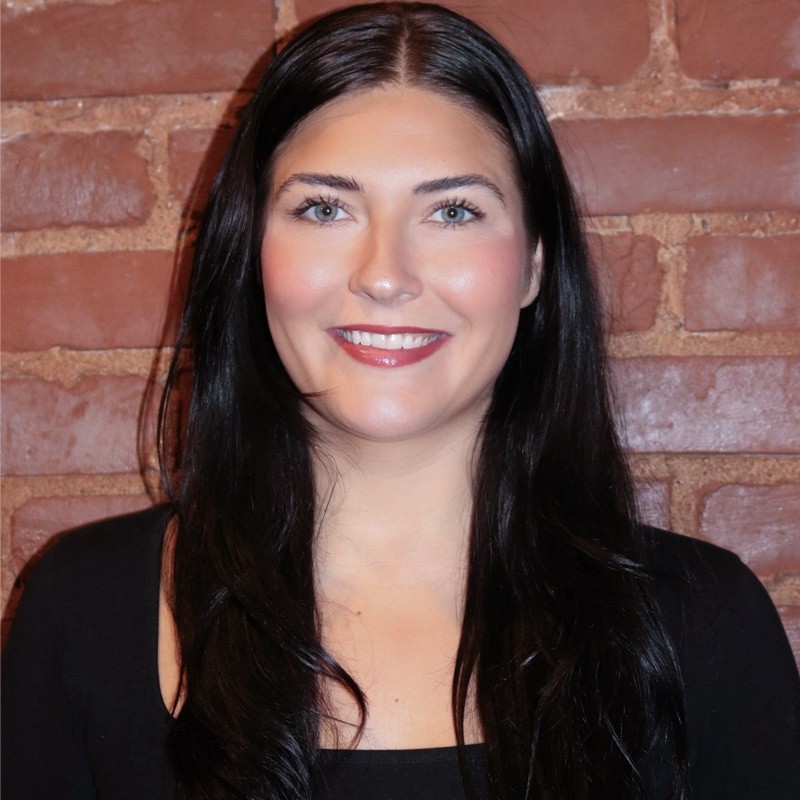
Ameliea Dulaney brings more than seven years of marketing experience rooted entirely in the philanthropic sector. Her career began at a small nonprofit in her hometown, where a lifelong passion for mission-driven work and a natural gift for storytelling found their professional home. Over the years she built her expertise across multiple nonprofit organizations before transitioning into the foundation world, where she led marketing for a community foundation. That experience gave her a deep, firsthand understanding of how foundations operate, what they need, and how to communicate their impact. She joined akoyaGO to bring that perspective to the technology side of philanthropy, helping foundations do good better.